News

RSS
Growing Lavender in Ontario: Planting, Care & Best Varieties

Growing Lavender in Ontario: Planting, Care & Best Varieties

Growing Lavender in Ontario: Beauty, Fragrance, and Pollinator Power

Few plants have captured gardeners' hearts quite like lavender. From cottage gardens and modern landscapes to kitchens, wellness products, and home décor, lavender has become a true garden superstar.

Its silvery foliage, fragrant blooms, drought tolerance, and ability to attract pollinators make it one of the most versatile perennials you can grow in Ontario gardens.

Which Lavender is Best for Ontario?

Not all lavenders are equally hardy, so choosing the right variety is important for long-term success.

English Lavender (Lavandula angustifolia)

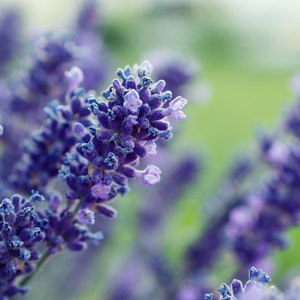
For most Ontario gardeners, English lavender is the best choice. Varieties such as 'Munstead', 'Hidcote', and 'SuperBlue' are among the hardiest and can successfully overwinter in many Central Ontario gardens when planted in well-drained soil.

English lavender features:

Spanish Lavender Flower

  • Highly fragrant flowers and foliage
  • Compact, tidy growth habit
  • Excellent winter hardiness
  • Strong attraction for bees and pollinators
  • Beautiful purple, blue, pink, and even white blooms

Most modern varieties grow between 30-60 cm (12-24 inches) tall, making them easy to incorporate into perennial borders, pollinator gardens, and container plantings.

Spanish and French Lavender

Spanish and French lavenders are stunning plants, recognized by their unique flower heads topped with decorative "rabbit ear" bracts.

While these varieties thrive in warmer climates, they are generally not winter hardy in Ontario. We recommend growing them in patio containers where they can be enjoyed throughout the summer and then overwintered indoors.

Their long flowering season and strong fragrance make them excellent additions to sunny decks, patios, and outdoor living spaces.

Growing Lavender Successfully

The secret to growing beautiful lavender is excellent drainage.

Lavender naturally grows in rocky, well-drained soils and dislikes wet roots, especially during Ontario winters.

Lavender Growing Tips

✓ Plant in full sun (6+ hours daily)

✓ Improve drainage with gravel or coarse sand if needed

✓ Avoid heavy clay soils whenever possible

✓ Water regularly during establishment, then only during extended dry periods

✓ Avoid excessive fertilizer

✓ Allow good air circulation around plants

One of the most common causes of lavender failure is winter moisture rather than cold temperatures. Planting on a slight slope or raised bed can dramatically improve survival.

Pro Tip: Top-dress around the base of lavender with gravel or small decorative stone rather than wood mulch. This helps keep the crown dry and mimics the plant's natural growing environment.

Lavender in the Landscape

Lavender is a natural fit for today's low-maintenance garden designs.

Its drought tolerance and long-lasting blooms make it ideal for:

  • Pollinator gardens
  • Cottage gardens
  • Mediterranean-inspired landscapes
  • Rock gardens
  • Front border plantings
  • Raised beds
  • Patio containers

Plant lavender near walkways, patios, or entrances where its fragrance can be enjoyed whenever you brush past the foliage.

Pair it with ornamental grasses, salvia, catmint, echinacea, yarrow, and roses for a beautiful, long-season display.

A Pollinator Favourite

Lavender is one of the best plants for attracting bees and beneficial insects.

Throughout the summer, its flowers provide valuable nectar for honeybees, native bees, butterflies, and other pollinators. Adding lavender to your landscape is an easy way to support local biodiversity while enjoying months of colour and fragrance.

More Than Just a Garden Plant

Lavender's popularity extends far beyond the garden.

Fresh or dried flowers can be used in:

  • Sachets and drawer fresheners
  • Potpourri
  • Wreaths
  • Herbal teas
  • Bath salts
  • Handmade soaps
  • Aromatherapy products
  • Culinary blends such as Herbes de Provence

Harvest flower stems just as the buds begin to open for the best fragrance and longest-lasting dried arrangements.

Whether you're creating a pollinator garden, refreshing a sunny perennial bed, or looking for a fragrant patio plant, lavender is a timeless addition to any landscape.

Visit us to explore our selection of hardy lavender varieties and let our team help you choose the best options for your garden conditions.

After all, every great garden deserves a little lavender.


  • Kristin Ego
Meet ‘Blackhawks’ Big Bluestem: The 2026 Perennial Plant of the Year

Meet ‘Blackhawks’ Big Bluestem: The 2026 Perennial Plant of the Year

Each year, the Perennial Plant Association — a body of hundreds of professional horticulturists, plant breeders, landscape designers, and garden centre owners across North America — votes to name a Perennial Plant of the Year. These aren’t chosen for novelty or trendiness. They’re chosen because they perform beautifully across a wide range of climates, require minimal fuss, and genuinely earn their place in the garden year after year.

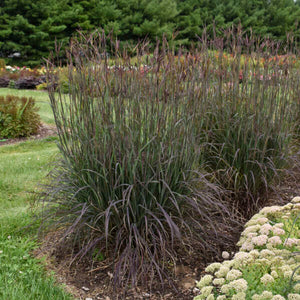
For 2026, that honour goes to Andropogon gerardii ‘Blackhawks’ — commonly known as Blackhawks Big Bluestem. If you haven’t grown ornamental grasses before, this might be the one that changes your mind.


What Is Big Bluestem?

Big Bluestem (Andropogon gerardii) is a native North American prairie grass — one of the dominant species that once covered the vast tallgrass prairies of central Canada and the United States. It’s deeply rooted in our ecological history, and its deep, fibrous root system (which can extend several feet into the soil) is one of the reasons it’s so incredibly tough and long-lived once established.

‘Blackhawks’ is a refined cultivar selected for its dramatic colouring and more compact, upright form compared to wild big bluestem. It was bred by Brent Horvath of Intrinsic Perennial Gardens in Illinois, and it’s been turning heads in trial gardens — including the Chicago Botanic Garden — since its introduction.

Why It’s Special: A Season-Long Colour Show

What makes ‘Blackhawks’ stand out from most ornamental grasses is that it earns its place in the garden from spring right through to winter.

Spring:  Dark green to deep purple blades emerge from the ground, already showing that distinctive near-black colouration that gives the plant its brooding character.
Summer:  The upright clump grows steadily, developing two-toned foliage as the tips deepen to reddish-purple. It makes a striking vertical foil among summer-flowering perennials.
Late Summer / August: The signature moment — distinctive three-parted flower clusters appear at the tops of the stems, earning the plant its old common name: Turkeyfoot grass (the seed heads genuinely resemble a turkey’s foot).
Fall:  By September the entire plant — leaves, stems, and blooms — transitions to a rich, deep burgundy-purple. The fall colour rivals that of many flowering shrubs.
Winter: The strong, upright stems hold their structure through frost and snow, providing architectural interest and shelter for birds well into the cold months.

Perfect for Central Ontario Gardens

Here’s the great news for our local gardeners: ‘Blackhawks’ is rated hardy to Canadian Hardiness Zone 3, which means it’s very well suited to Simcoe County, Muskoka, and the surrounding region. 

It thrives in full sun and actually prefers lean, well-drained soil — meaning the sandy or rocky soils common on moraines and around cottage country are a genuine advantage, not a problem. Rich, overly fertile soil will cause the plant to flop, so resist the temptation to over fertilize. 

Once established — which typically takes a season or two — it becomes extremely drought tolerant and essentially self-sufficient. The only maintenance required is cutting it back to the ground in late winter or early spring before new growth emerges.

Key specs at a glance:


Height: 4–5 feet | Width: 1–2 feet
Sun: Full sun (6+ hours)
Soil: Average to dry, well-drained — tolerates poor soils
Water: Low once established; drought tolerant
Hardiness: Canadian Zone 3–9
Maintenance: Cut back once annually in late winter

Great for Wildlife and the Environment

‘Blackhawks’ checks all the boxes for ecologically minded gardeners, and it connects beautifully to the native plant movement that’s growing strongly right across central Ontario:

- Bird habitat: The upright stems provide nesting material and shelter through fall and winter. The seed heads are a food source for numerous bird species.
- Pollinator value: The late-summer flowers support several species of native skippers and other pollinators at a time of year when many garden plants have finished blooming.
- Erosion control: Its deep, fibrous root system is exceptional at stabilizing soil — ideal for slopes, shoreline buffers, or naturalized areas.
- Native North American heritage: This is a plant with ecological roots in our region, not an introduced species. Growing it supports local biodiversity.

How to Use It in Your Garden

‘Blackhawks’ is a versatile plant that works in a surprising range of settings:

In a perennial border: Use it as a tall vertical accent near the back of a sunny border. Its dark colouration makes surrounding plants pop by contrast.

In a naturalistic or meadow planting: This is where it really shines. Mass plantings create a dramatic prairie-style effect, with movement and texture in every breeze.

As a screen or divider: Its upright, clumping habit makes it effective as a seasonal privacy screen — dense enough to be useful, beautiful enough to be intentional.

At the cottage: Perfectly suited to naturalistic lakeside plantings, shoreline buffers, and low-maintenance landscapes where it can look after itself between visits.

Companion Plants

‘Blackhawks’ plays beautifully with other sun-loving natives and late-season perennials. Some of our favourite combinations:

Black-eyed Susan (Rudbeckia) — golden yellow against near-black foliage is a showstopper
Purple Coneflower (Echinacea purpurea) — magenta blooms complement the burgundy tones perfectly
Blazing Star (Liatris spicata) — vertical purple spikes echo the grass’s upright form
Tall Stonecrop (Hylotelephium)— blooms just as ‘Blackhawks’ is hitting its fall peak
Asters (Symphyotrichum spp.) — late-season colour that carries the garden into October alongside the grass

A Word on Patience

Like most warm-season grasses, ‘Blackhawks’ is slow to wake up in spring — don’t panic if it seems to be lagging behind your other perennials. It’s gathering its energy. Once it gets moving, it catches up quickly, and by late summer you’ll have forgotten you ever doubted it.

It’s also worth knowing that it may take a couple of seasons to reach its full potential. Think of it as a long-term investment — one that will reward you with increasing beauty and minimal effort for many years to come.

  • Kristin Ego
Gardening in Soft Focus: The “Faded Petal” Colour Trend for Spring 2026

Gardening in Soft Focus: The “Faded Petal” Colour Trend for Spring 2026


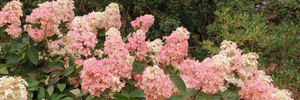
Each spring brings a fresh sense of possibility—and in 2026, garden colour trends are leaning into that feeling with a softer, more calming palette. Garden designers and marketers are highlighting tones often described as “Faded Petal”: blush pinks, dusty roses, muted mauves, gentle peaches, and warm neutrals inspired by nature itself.

These colours feel restorative, timeless, and easy to live with—perfect for gardeners looking to create spaces that feel peaceful, welcoming, and beautifully balanced.

What Is the “Faded Petal” Garden Palette?

Rather than bold, high-contrast colour blocks, this trend embraces soft transitions and layered tones—colours that look as though they’ve been gently kissed by sunlight.

Think:

  • Blush and antique rose

  • Soft apricot and shell pink

  • Dusty lavender and mauve

  • Creamy whites and warm beiges

  • Silvery and sage greens as grounding elements

It’s a palette that works just as well in modern gardens as it does in traditional landscapes, and it pairs beautifully with natural materials like stone, wood, and terracotta.

Bringing “Faded Petal” Into Your Plant Choices


Perennials That Set the Tone

These plants deliver soft colour without overwhelming the garden:

  • Peonies – Blush and pale pink varieties offer lush spring impact

  • Hellebores – Early spring blooms in soft pinks and creams

  • Echinacea – Look for pale pink or rose-toned cultivars

  • Yarrow (Achillea) – Soft peach and dusty pink selections

  • Foxglove  (Digitalis) – Light rose and peach hues are perfectly on trend

These perennials layer beautifully and return year after year, making them ideal anchors for this colour story.


Shrubs help carry the colour theme throughout the season.

Consider:

  • Hydrangeas with soft pink or antique tones

  • Ninebarks (Physocarpus) with blush pink spring blooms

  • Spirea varieties with pale pink flowers

  • Rose varieties bred for subtle, romantic colour e.g. David Austin English roses

These plants add depth and structure while keeping the palette cohesive and calming.

Annuals & Containers: Easy Seasonal Updates


Annuals are the easiest way to experiment with trending colours.

Great options include:

  • Zinnias  in dusty pinks and mauves

  • Begonias in blush and light salmon shades

  • Petunias with muted or antique tones

  • Calibrachoa in soft peach and rose shades

  • Cosmos in light pink to apricot varieties

Pair them with neutral containers—stone, soft grey, cream, or aged terracotta—for a refined look.


Garden Décor Ideas That Complement the Trend


Colour trends aren’t just about plants—decor completes the picture.

On-trend décor ideas

  • Stone or concrete planters

  • Matte ceramic pots in blush, sand, or clay tones

  • Light wood benches or trellises

  • Soft outdoor cushions in faded florals

These elements echo the palette without competing for attention.


A Colour Trend Rooted in How We Want to Feel

The rise of softer garden colours reflects a broader desire for calm, comfort, and connection. Gardens are becoming places to slow down, breathe deeply, and enjoy the moment—and colour plays a powerful role in setting that mood.

Whether you introduce this trend through one planter or an entire garden bed, the result is a space that feels intentional, timeless, and deeply satisfying.

Visit Us This Spring

Explore plants and garden décor inspired by the “Faded Petal” palette, and let our team help you build a spring garden that feels as good as it looks.

  • Kristin Ego
Gardening With Purpose:  Plants That Give Back in 2026

Gardening With Purpose: Plants That Give Back in 2026

Gardening With Purpose: Plants That Give Back in 2026

As gardeners, we’ve always known that planting something meaningful feels different. In 2026, that idea has taken root in a powerful way. One of the strongest trends identified by garden marketers is purpose-driven gardening—choosing plants and designs that do more than look beautiful. They support pollinators, strengthen local ecosystems, and create outdoor spaces that feel good to be in.

This spring, gardening isn’t just about what grows—it’s about why it grows.


What Is Purpose-Driven Gardening?

Purpose-driven gardening is about making thoughtful plant choices that serve a greater role. That might mean planting flowers that feed bees and butterflies, choosing native plants that thrive naturally in our climate, or creating safe garden spaces for kids and pets to explore.

It’s gardening with intention—and it’s something gardeners of all experience levels can embrace.


Plants That Give Back: Supporting Pollinators at Home


Pollinators play a critical role in our food systems and natural landscapes, yet their habitats are shrinking. The good news? Even small gardens, patios, and containers can make a difference.

Some easy, high-impact plant choices for Ontario gardens include:

  • Asclepias (Milkweed) – essential for monarch butterflies

  • Echinacea (Coneflower) – long-blooming and bee-friendly

  • Rudbeckia (Black-eyed Susan)  – reliable summer colour and nectar

  • Native grasses – shelter and nesting habitat

  • Early spring bloomers – vital food sources when pollinators first emerge

By planting with pollinators in mind, you’re helping restore balance—one garden at a time.


Native Plants: Designed by Nature, Perfected for Here

Native plants are a cornerstone of purpose-driven gardening. Because they evolved here, they’re naturally more resilient, require less water once established, and provide the right food and shelter for local wildlife.

They also fit beautifully into modern landscapes—whether you prefer a naturalized look or a more polished garden design.

Choosing native doesn’t mean sacrificing style. It means planting smarter.


Family- and Pet-Friendly Gardens That Feel Good to Use


Purpose isn’t only about ecology—it’s also about how gardens support the people who use them.

More gardeners are creating:

  • Safe planting zones for kids and pets

  • Chemical-conscious garden spaces

  • Sensory gardens with texture, fragrance, and movement

A garden that invites connection, curiosity, and time outdoors is just as meaningful as one that feeds pollinators.


Small Spaces, Big Impact


You don’t need acres of land to garden with purpose. Containers, raised beds, balconies, and entryway planters can all play a role.

Try grouping plants by purpose:

  • A pollinator planter

  • A cutting garden container

  • A wildlife-friendly corner bed

These curated plant combinations make it easy to start—and rewarding to grow.

Purpose-driven gardening reflects a shift in how people connect with their homes, communities, and environment.  

Our team is here to help you choose plants that thrive, support wildlife, and bring lasting enjoyment to your outdoor space. Whether you’re planting one container or redesigning your landscape, every thoughtful choice counts.

Ready to Plant With Purpose?

Visit us this spring to explore pollinator-friendly plants, native selections, and garden solutions designed for Ontario gardens—because the most beautiful gardens are the ones that give back.

  • Egos Nurseries
Celebrating 50 years by donating 50 trees to our community

Celebrating 50 years by donating 50 trees to our community

In celebration of our 50th anniversary, Ego’s Nurseries is proud to announce the donation of 50 trees to local public spaces across Oro-Medonte and surrounding communities. This initiative is part of Ego’s commitment to giving back to the community that has supported the business for five decades and aims to help restore parks, schools, and public spaces impacted by the recent devastating ice storm.

The tree donation program, launched this spring, will provide a mix of native and other resilient species chosen specifically to thrive in our local climate and support long-term environmental health. Planting will begin this spring, with trees distributed among municipal parks, schools, and community spaces.

“For 50 years, Ego’s Nurseries has been deeply rooted in this community,” said Kristin Ego MacPhail, co-owner of Ego’s Nurseries. “After the challenges brought on by the recent ice storm, we knew that celebrating our anniversary meant more than just looking back, it meant investing in the future. Trees symbolize resilience, hope, and new beginnings, and we are honoured to help replant and rejuvenate the spaces our community loves.”

For more information about the tree donation program or upcoming planting events, please visit www.egosgardencentre.com or contact Ego’s Nurseries at (705) 326-9922.

To apply for trees in your community, please fill out this form:  

2025 Tree Planting Donation Request (Google Form)

or download  PDF Application and return to Info@egosgardencentre.com

  • Kristin Ego
Garden Inspiration

Garden Inspiration

The 2024 Proven Winners Gardeners Idea Book is now available to download or view online.  Click HERE to see a little garden inspiration for Spring 2024!
  • Kristin Ego